 Chicago Illinois Roofers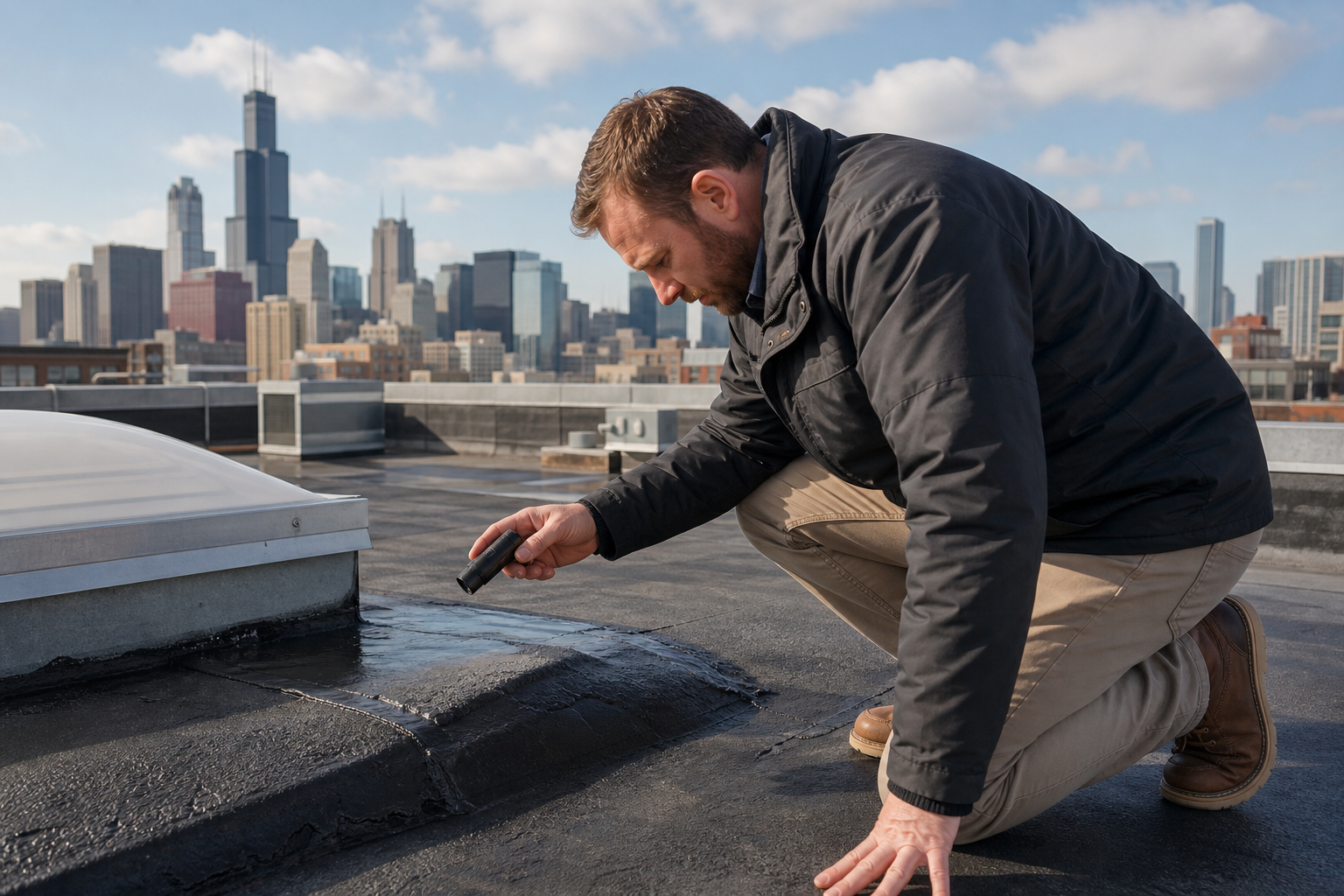
What a Roof Inspection Covers
A typical inspection includes a review of the shingles or roofing material for wear, cracking, or granule loss, an examination of flashing around chimneys, vents, and skylights, a check of gutters and downspouts for proper drainage, and an assessment of attic ventilation and any visible signs of moisture intrusion. We also look at the overall structure for sagging or uneven areas that could indicate deck issues.
When to Schedule an Inspection
Inspections are useful in several situations: routine maintenance checks, before purchasing or selling a property, after a storm with wind or hail, or when a roof is approaching an age where wear becomes more likely. Scheduling an inspection at these points helps property owners stay ahead of potential problems rather than reacting after a leak appears.
The Inspection Process
We start with a visual assessment from the ground and then move to a closer examination of the roof surface, checking for damaged or missing shingles, deteriorated flashing, and any debris buildup. Inside the property, we check the attic space for insulation condition, ventilation, and any signs of water staining or mold that might indicate a leak.
What You Receive After an Inspection
Following the inspection, we provide a summary of what we found, including any areas of concern and recommended next steps, whether that's a minor repair, ongoing monitoring, or a more involved project like a roof replacement. This gives property owners a clear basis for deciding how to proceed.
Inspections and Insurance Claims
After storm events, an inspection can help identify damage that may not be obvious from the ground, which is useful when documenting a potential insurance claim. We note specific findings that property owners can reference when working with their insurance provider.
Preparing for an Inspection
Before an inspection, it helps to clear access to the attic space if possible and to note any specific concerns, like a recurring leak location or a recent storm event, so we can focus attention on those areas during the visit.
Related Services
Roof inspections often lead directly into other services we offer, including roof repair for issues found during the visit, storm damage roof repair after a weather event, and roof replacement when the inspection reveals a roof nearing the end of its service life. We also inspect both asphalt shingle roofing and metal roofing systems.
Frequently asked questions
How often should I get my roof inspected?
Many property owners schedule inspections annually or after significant weather events, though the right frequency can depend on the roof's age and material.
Does a roof inspection include the attic?
Yes, checking the attic for ventilation, insulation condition, and signs of moisture is a standard part of a thorough roof inspection.
Can an inspection help with an insurance claim?
An inspection can document the roof's condition and identify storm-related damage, which can support an insurance claim process.
What happens if the inspection finds damage?
We provide a summary of findings and recommended next steps, which could range from a minor repair to a more involved replacement project.